How Alcohol Quietly Wrecks Your Gym Progress
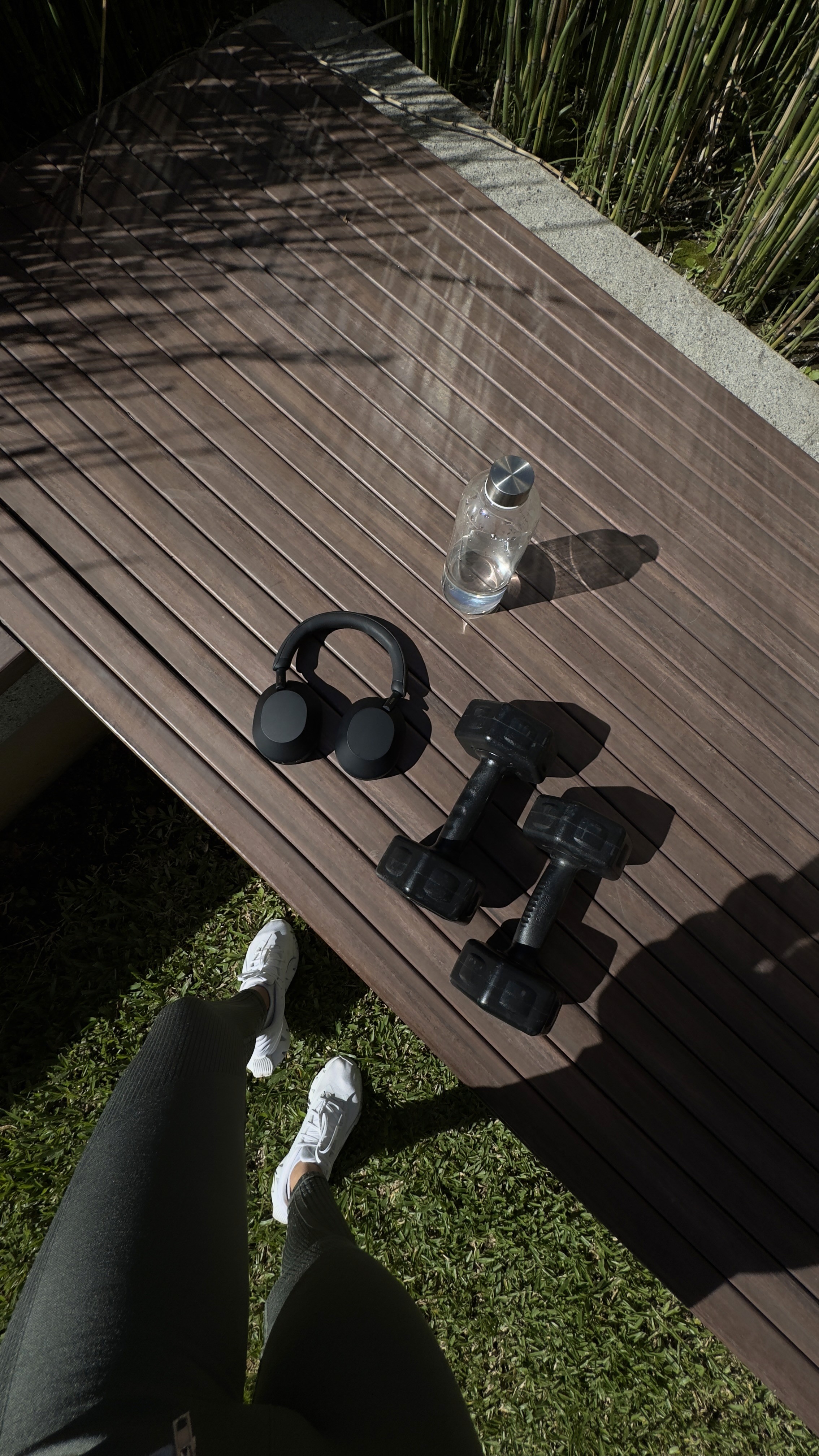
Research published in the American Journal of Physiology shows that alcohol can reduce muscle protein synthesis by up to 40% in the 24 hours following a workout. This means your body builds less muscle and recovers more slowly when you drink after training.
The Science Behind the Setback 💡
Muscle growth depends on a careful balance of training stimulus, nutrient intake, and recovery. Alcohol disrupts this balance in multiple ways. It increases cortisol (a stress hormone), which breaks down muscle tissue, while lowering testosterone and growth hormone, both crucial for repair and development.
Alcohol also dehydrates you, reducing blood flow to muscles and slowing nutrient delivery. This dehydration can make post-workout soreness last longer and increase your risk of injury. On top of that, alcohol impacts sleep quality, specifically slow-wave sleep, which is essential for muscle repair and the release of growth hormone.
How to Protect Your Gains 🏋🏼♀️
If you want the best return on your gym time, plan alcohol consumption away from your most intense training sessions. For example, avoid heavy drinking for at least 24 hours after a big lift or endurance workout.
If you do drink, pair it with water and nutrient-rich food to offset dehydration and supply your body with protein and micronutrients. Lean meats, eggs, or plant-based protein sources combined with foods high in antioxidants (like berries or leafy greens) can help your body recover faster.
Athletes who track their training performance often notice measurable differences when they cut back. This might be faster strength gains, better endurance, or simply more consistent energy in workouts.
The Real Flex ✨
The real flex is walking into the gym stronger every week instead of undoing your hard work with a few drinks. By timing alcohol carefully and keeping it in moderation, you keep every rep, every run, and every training session working for you. Progress feels better than any buzz.