Mocktails That Tame Cravings and Look Good Doing It
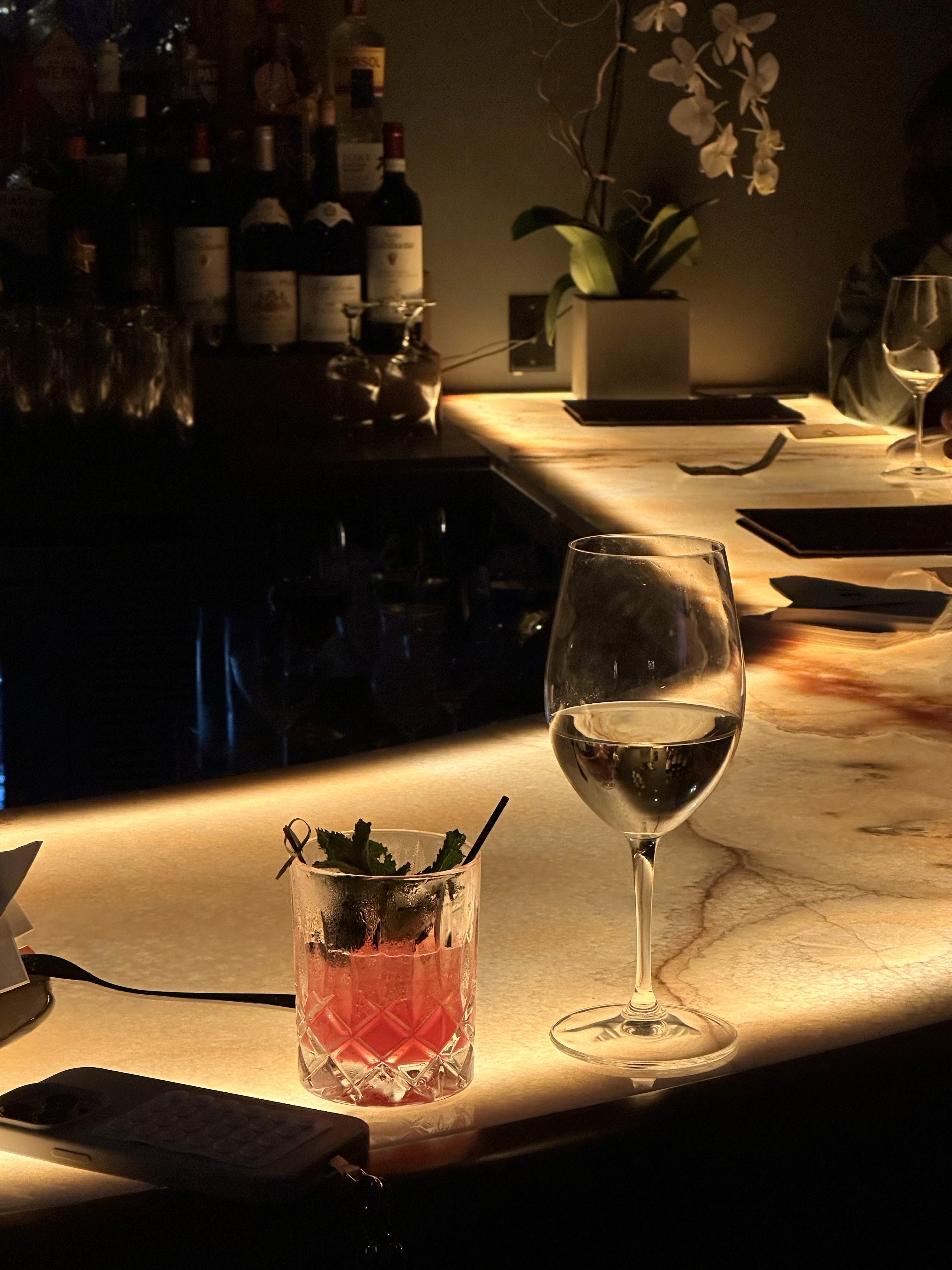
Studies in Appetite show that engaging your taste buds with flavorful non-alcoholic drinks for at least 15 minutes can significantly reduce alcohol cravings by satisfying oral and sensory cues linked to drinking habits.
Why Mocktails Work for the Brain 💡
Alcohol cravings are not just about the chemical pull of ethanol. They are also tied to conditioned cues, which are the sensory habits built around drinking. The clink of ice, the aroma of citrus, and the sparkle of carbonation all trigger the mesolimbic dopamine pathway, the brain’s reward circuit.
Mocktails tap into this same sensory system without the alcohol. Bright flavors from fresh herbs, spices, and fruits stimulate the gustatory cortex, which helps satisfy the brain’s expectation for a “treat” while breaking the association between relaxation and alcohol. Over time, this can help retrain the brain to seek non-alcoholic options for social reward.
How to Build a Craving-Crushing Mocktail 🍹
A great mocktail hits three notes: visual appeal, layered flavor, and texture. Use vibrant garnishes like mint sprigs, citrus wheels, or berries to create the visual satisfaction you expect from a premium drink. Layer flavors with herbs, spices, and natural sweeteners so your palate stays engaged from the first sip to the last.
Texture also matters. Try adding soda water for effervescence, or use crushed ice to mimic a cocktail’s chilled feel. If you want more depth, mix in a dash of vinegar-based shrub or non-alcoholic bitters for complexity.
Rotate recipes so each experience feels fresh. The variety keeps the reward system active and prevents mocktails from feeling like a lesser option.
The Real Flex ✨
The real flex is walking into a party with a drink that turns heads and keeps you sharp. A mocktail lets you enjoy the ritual of drinking without the crash, the hangover, or the lost gym gains. You get the vibe, the flavor, and the fun, and you wake up the next day with energy to spare.