The Magnesium Deficiency That Fuels Your Drinking Urges
Research in Magnesium Research Journal suggests that up to 50% of regular alcohol consumers are magnesium deficient. Alcohol increases magnesium loss through urine and decreases the gut’s ability to absorb it, creating a cycle that can intensify cravings.
Why Magnesium Matters for Alcohol Cravings 💡
Magnesium is essential for over 300 biochemical reactions in the body, including regulating the GABAergic system in the brain. GABA (gamma-aminobutyric acid) is the primary calming neurotransmitter. When magnesium is low, GABA function is impaired, which can lead to anxiety, restlessness, and a stronger urge to drink for relief.
Alcohol temporarily boosts GABA activity, which is one reason it feels relaxing, but it also depletes magnesium levels further. This means the more you drink, the more deficient you become, and the more your brain looks for alcohol to restore that sense of calm. It is a biochemical trap that can make moderation harder.
How to Restore Magnesium Levels 💊
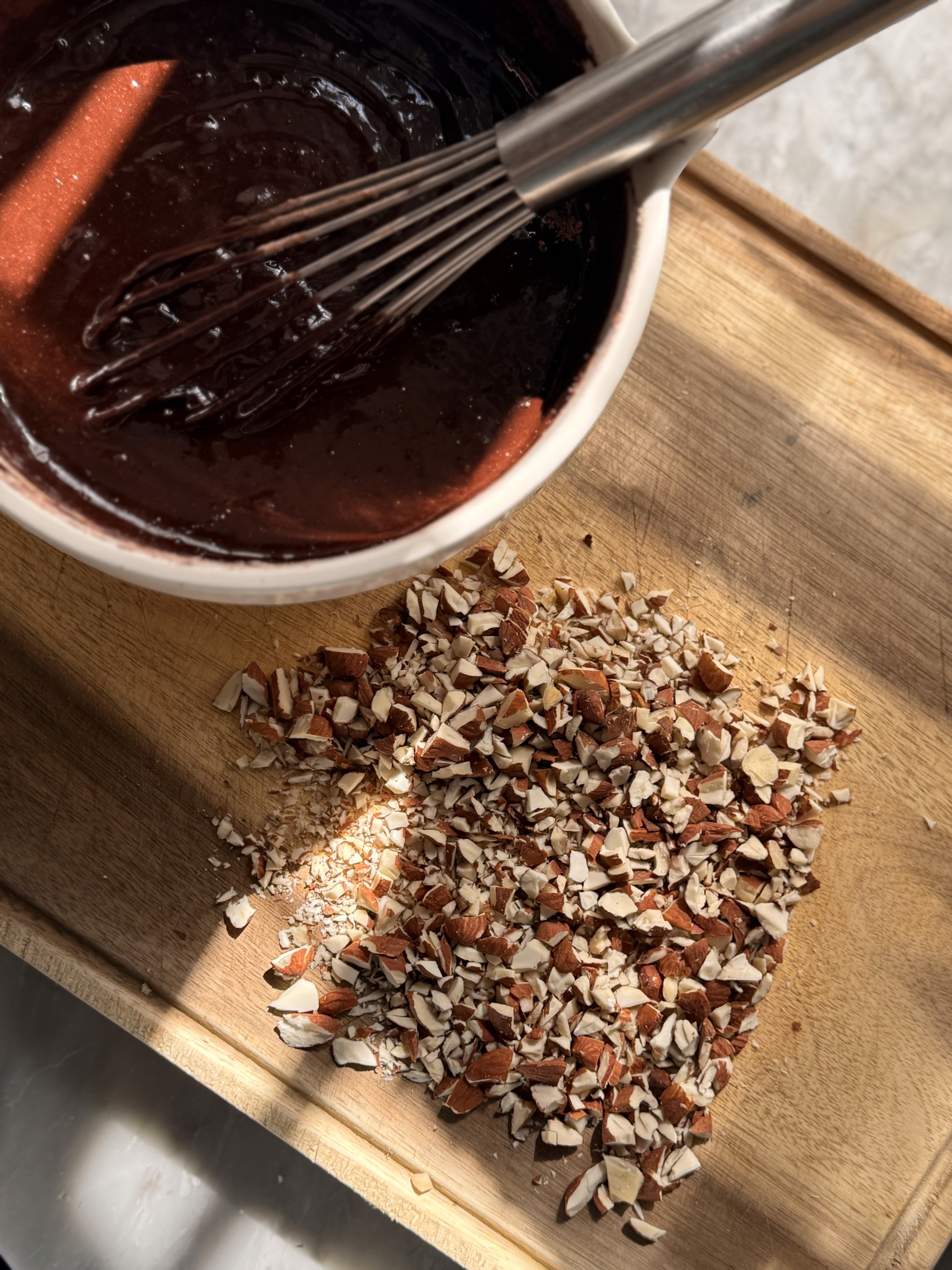
Increasing magnesium intake can help reduce stress, improve sleep quality, and make alcohol cravings easier to manage. Dietary sources include leafy greens, nuts, seeds, legumes, and whole grains. Dark chocolate with at least 70% cocoa is also a good source, making it a satisfying swap for an evening drink.
Magnesium supplements, particularly magnesium glycinate or magnesium citrate, are well absorbed and gentle on the stomach. Always check with a healthcare provider before starting supplementation, especially if you have kidney issues.
Hydration also plays a role. Magnesium works in concert with electrolytes like potassium and sodium, so keeping fluids balanced supports its absorption and function.
The Real Flex ✨
The real flex is calming your mind and body naturally, without relying on a drink. By replenishing magnesium, you help your nervous system work the way it should, making it easier to choose rest over alcohol. Every time you pick up a magnesium-rich snack instead of a drink, you are breaking the cycle at a chemical level.